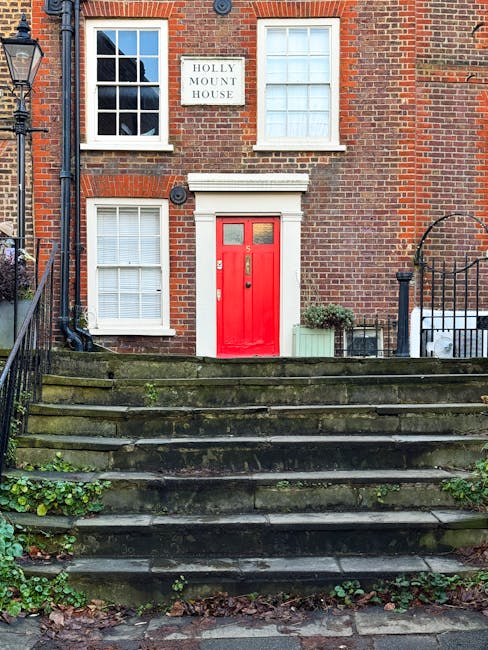
Narrow access removals Lyncroft Gardens West Hampstead
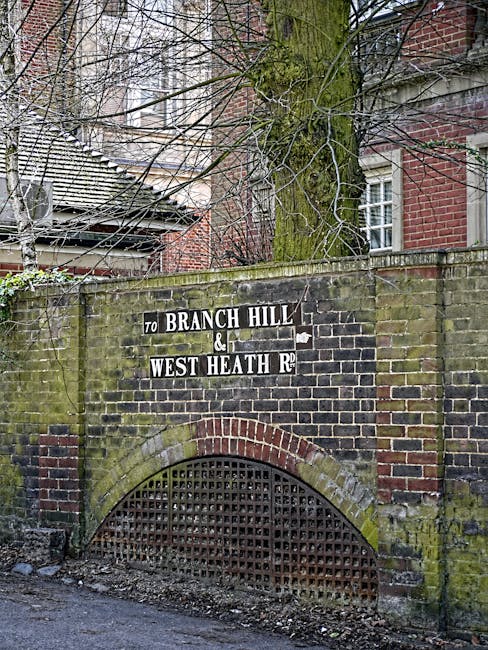
If you are trying to plan Narrow access removals Lyncroft Gardens West Hampstead, you probably already know the headache: tight hallways, awkward stair turns, limited parking, and that sinking feeling when a sofa looks just a bit too wide for the route. Truth be told, that is exactly where careful planning matters most. A narrow-access move is not just about lifting things and hoping for the best. It is about measuring properly, choosing the right vehicle size, protecting the property, and keeping the whole day calm enough that nobody ends up sweating in the hallway at 8:15 in the morning.
This guide explains how narrow access removals work in West Hampstead, what makes Lyncroft Gardens trickier than a standard move, and how to avoid the common mistakes that cause delays, damage, or unnecessary stress. You will also find a practical checklist, a comparison table, and a realistic step-by-step process so you can approach the move with a bit more confidence. If you are still comparing options, it can help to look at broader removals support as well as specialist services such as flat removals or a flexible man and van option, depending on your load and access conditions.
Why Narrow access removals Lyncroft Gardens West Hampstead Matters
Narrow-access moving is one of those jobs that looks straightforward until you stand at the front door and realise the stairwell is tight, the landing is small, and the angle into the flat is anything but generous. In a place like Lyncroft Gardens, the challenge is often not the distance between properties, but the route in and out. That can mean more time carrying items, more care needed around corners, and more thought given to what can reasonably be moved without forcing it.
Why does this matter so much? Because a move that is poorly planned in a narrow building can create avoidable problems fast: scratched walls, damaged furniture, blocked access for neighbours, and extra time spent trying to solve issues on the spot. Nobody wants that. Not you, not the movers, and definitely not the person trying to squeeze a wardrobe round a bend while quietly regretting their life choices.
West Hampstead is full of homes where access varies from building to building. Some properties are neat and practical; others involve steps, split-level entries, tight communal corridors, or roadside loading that is easier said than done. Narrow access removals are about recognising those constraints early and adapting the move to fit the space, rather than trying to make the space fit the move.
It is also worth saying that narrow access does not automatically mean difficult or expensive. It means the move needs a more thoughtful setup. With the right preparation, many compact-access jobs are smooth, efficient, and much less stressful than people expect.
Expert summary: The success of a narrow access move usually comes down to three things: accurate measurements, realistic vehicle planning, and patient handling at the property. Get those right, and the day gets much easier.
How Narrow access removals Lyncroft Gardens West Hampstead Works
A narrow access move works best when it starts with information, not lifting. The first stage is usually a clear assessment of the route: door widths, stair widths, ceiling height on landings, sharp turns, parking distance, and whether the item can be dismantled. If the mover knows what they are dealing with, they can plan the right team size, vehicle type, and protection materials.
For many homes, a smaller vehicle is actually the better choice. A compact van can often park more easily on a busy residential road and may be quicker to position than a larger removal truck. That said, smaller does not always mean better. If you have multiple pieces of furniture, appliances, or fragile items, a larger removal van or moving truck may still be the most efficient option, provided access and parking allow it.
On the day itself, the process tends to follow a simple pattern:
- Arrive and confirm access conditions.
- Protect floors, bannisters, and door frames where needed.
- Load the first items based on weight, fragility, and size.
- Carry the awkward items with controlled movement through the tightest sections.
- Secure everything in the vehicle so nothing shifts in transit.
- Unload in the same planned order at the destination.
That sounds simple, and sometimes it is. But narrow access makes the details matter. A small difference in angle, grip, or timing can save a lot of trouble. You will notice experienced movers are rarely rushed in these situations. They keep a steady pace. That is not slowness; it is control.
If the move involves a flat or upper-floor property with limited room to manoeuvre, services such as house removals or house removalists can be adapted to suit the route. For smaller loads or shorter local moves, a man with a van can be practical, especially when access is tight and parking is limited.
Key Benefits and Practical Advantages
One of the biggest benefits of narrow access removals is that they reduce avoidable damage. When items are measured and routed correctly, there is less need to force furniture through spaces it was never designed for. That means fewer scuffs, fewer dents, and less risk of losing patience halfway down a staircase.
There is also the time factor. A well-planned move through a narrow property can often be quicker than a badly planned standard move. That may sound counterintuitive, but it is true. A smaller, better-chosen vehicle can save repeated loading and unloading. A clear dismantling plan can avoid awkward bottlenecks. A proper packing strategy can make the difference between one smooth carry and three frustrating attempts.
Other practical advantages include:
- Better protection for furniture and property edges
- Less disruption to neighbours and shared hallways
- Improved control in tight spaces
- More realistic scheduling for moving day
- Lower stress because the route has been thought through in advance
There is a quieter benefit too: confidence. Once you know the move has been assessed properly, you stop guessing. And honestly, that alone can make the whole thing feel ten times less chaotic.
For some customers, narrow access planning also pairs well with packing and boxes services or even packing and unpacking services, especially when the property layout makes it awkward to handle loose, uneven, or overfilled items.
Who This Is For and When It Makes Sense
Narrow access removals are not only for large households with heavy furniture. In reality, they are often the best choice for people moving from or into smaller homes, flats, maisonettes, converted buildings, or properties with a tricky internal layout. If you have ever carried a mattress into a building and immediately realised the stairwell is narrower than the mattress is long, you already know the type of situation we mean.
This service makes sense if you are:
- Moving into a flat with tight communal access
- Leaving a property with a narrow staircase or turn
- Handling furniture that may need dismantling
- Working around limited parking or loading space
- Moving delicate items that need careful carrying
- Dealing with an urgent or same-day move
It is especially useful for renters, students, young families, and anyone moving within West Hampstead where access is more of a puzzle than a problem. If your move is last-minute, checking a same-day removals option can be sensible, provided the route and timing are realistic. Not every urgent move is suited to a big vehicle and a crowded street. Sometimes the right answer is smaller, quicker, and better organised.
Commercial customers may also need this approach, particularly in older office buildings or mixed-use premises. In those cases, office removals or commercial moves often involve the same narrow corridor and lift-access issues as residential moves, just with more boxes and a bit more paperwork.
Step-by-Step Guidance
Here is a practical way to think about the move from start to finish.
1. Measure the route, not just the furniture
People often measure the sofa and forget the staircase. That is the trap. Measure doors, hallways, the tightest landing turn, and any point where the item has to pivot. If there is a banister, radiator, or low ceiling edge in the way, note it. A few centimetres can matter more than you think.
2. Decide what should be dismantled
Some pieces are much safer broken down into sections. Wardrobes, bed frames, shelving units, and some tables are common candidates. Dismantling should be done carefully, with fittings kept together in labelled bags. Nobody enjoys searching for a bag of bolts at 7 p.m. with daylight disappearing.
3. Choose the right vehicle and team size
For a narrow-access property, the right vehicle is usually the one that can park sensibly and keep the carry distance reasonable. A removal van may be ideal for many jobs, while a smaller man with van setup can work well for lighter loads. If you are moving a larger household, the choice may lean toward a more substantial transport option.
4. Pack for carry, not just for storage
In narrow-access moves, boxes that are too heavy or awkward become a real nuisance. Keep the weight balanced, avoid overfilling, and protect corners and fragile edges. If you can lift a box comfortably with one hand for a few steps, that usually tells you something useful. If you cannot, it is too heavy.
5. Protect the property before the first item moves
Floor runners, door protection, and careful positioning matter in shared buildings and tight hallways. Even with the best intentions, a single knock against a painted wall can leave a mark. Good movers do not wait for damage to happen; they prevent it first.
6. Load in a sensible order
Heavier and sturdier items usually go in first, with delicate items secured around them rather than crushed beside them. If there are awkward items such as mirrors, lamps, artwork, or musical instruments, they should be packed and handled separately. A specialist option such as piano removals may be sensible for especially fragile or weighty instruments.
7. Keep communication simple and direct
Before the day starts, make sure everyone knows the access route, where to park, what is being moved first, and whether anyone needs to be available at either end. Small misunderstandings are what slow jobs down, not the stairs themselves.
Expert Tips for Better Results
One of the best tips is to treat the move like a route-planning exercise rather than a lifting exercise. That sounds obvious, but it is the part many people skip. Walk the path from front door to vehicle. Look at it properly. Notice the corners. Notice the floor surface. Notice whether there is a step that looks harmless until you try to push a heavy item over it.
Another useful tip: photograph the main obstacles before moving day. Not because you need dramatic evidence, just because it helps you and the mover think clearly about the space. A quick picture of the stairwell or landing can be surprisingly useful when discussing the job.
Try to avoid packing items into random shapes. Oddly shaped boxes, half-full bags, and loose items with no handles are annoying in narrow spaces. They swing. They catch. They tip. Keep everything as compact and stackable as you reasonably can.
If the building has shared access or a delicate finish, let neighbours know in advance if there may be extra foot traffic or a slightly longer carry route. That small bit of courtesy can make a move feel much calmer. It is the sort of thing people remember, and it rarely hurts.
Finally, ask about insurance and handling standards. A trustworthy mover should be able to explain how items are protected and how damage risks are managed. You can also review a provider's approach to insurance and safety and their broader health and safety policy if you want reassurance before booking.
Common Mistakes to Avoid
The most common mistake is underestimating the access route. People tend to think, "It will probably be fine." Sometimes it is. But in narrow-access buildings, "probably" is not a plan.
Another mistake is choosing a vehicle that is too large simply because it feels more efficient. If parking becomes awkward, the whole move can slow down. A smaller vehicle with a smarter loading plan is often better than a bigger one wedged into the wrong place.
Here are a few other errors that come up again and again:
- Not measuring stair turns or landing corners
- Leaving dismantling until moving day
- Overpacking boxes so they become unsafe to lift
- Ignoring building rules for access, lifts, or loading times
- Failing to protect walls and flooring
- Not allowing enough time for a careful carry
One more, and this is a big one: assuming all removal companies handle narrow access in the same way. They do not. Some are excellent at it; some are more suited to simple, open-access jobs. If your property has a tricky route, ask direct questions. Clear answers usually tell you a lot.
For furniture that no longer needs to come with you, it may be worth looking at furniture removals or furniture pick up options so you are not moving unnecessary weight through a tight space.
Tools, Resources and Recommendations
You do not need a van full of specialist gear for a narrow-access move, but a few practical tools make a real difference. Measuring tape, furniture blankets, straps, protective wrap, and a notebook for room labels are simple but valuable. A trolley can help, though in some West Hampstead buildings a trolley is not always the hero people imagine. Sometimes the turning circle is too tight, and a smaller manual carry is safer.
Recommended resources and prep items include:
- A metal or sturdy tape measure
- Cardboard corner protectors
- Furniture blankets or thick covers
- Strong tape and labelled bags for fittings
- Marker pens for box labelling
- Door and floor protection materials
It is also worth checking whether you need short-term holding space if access timing is awkward. A move can become much easier if some belongings are temporarily stored rather than squeezed into a tight route on the same day. In those cases, storage can be a practical pressure-release valve. Not glamorous, perhaps, but very useful when space is tight and timing is messy.
For students, smaller flats, or shared properties, student removals can also be a sensible fit because the volume is lower, the timing is often tighter, and access can be awkward in older buildings.
Law, Compliance, Standards and Best Practice
For most home moves, the biggest compliance concerns are practical rather than legal. That said, movers still need to work safely, respect building rules, and follow sensible handling practices. In the UK, good moving practice usually means being careful with lifting, preventing slips and trips, and making sure loads are secured properly in transit.
In a narrow-access setting, best practice also means respecting shared spaces. That can include keeping routes clear, avoiding unnecessary blocking of stairwells, and making sure the move does not create hazards for residents or staff. If a building has access restrictions, loading windows, or management instructions, these should be followed. Fair enough, really - everyone benefits when the move stays organised and respectful.
Insurance matters too. A professional mover should be clear about what protection is in place and what the customer is expected to do, especially with fragile or high-value items. If you want to understand how a provider approaches responsibility, the pages on terms and conditions, payment and security, and privacy policy can help build confidence before you book.
Best practice, in plain English, means this: measure carefully, communicate clearly, pack safely, and do not force items where they do not fit.
Options, Methods, or Comparison Table
Different moves call for different approaches. Here is a simple comparison to help you decide what feels most suitable.
| Option | Best for | Strengths | Possible drawbacks |
|---|---|---|---|
| Man and van | Smaller loads, short local moves | Flexible, easier to park, efficient for narrow access | May not suit large households or many bulky items |
| Removal van | Medium-sized domestic moves | Good balance of capacity and manoeuvrability | Needs sensible loading and parking planning |
| Moving truck | Larger loads with workable access | More space, fewer trips | Can be harder to position near tight properties |
| Full removals service | Complex homes or mixed item loads | More support with lifting, protection, and planning | Usually more involved than a basic transport-only booking |
The right choice depends less on the label and more on the practical reality of your property. A small flat with a tough staircase may be better suited to a compact team than a bigger vehicle. On the other hand, a larger move with good access may benefit from a more comprehensive setup. If you are not sure, ask for a quote that reflects the actual route, not just the room count.
For many local moves, especially where access is the main issue, a simple transport-only job can work well. For others, especially if you are relocating a whole home, home moves support is a better fit because the packing, lifting, and timing all need more structure.
Case Study or Real-World Example
Here is a realistic example. A couple moving from a first-floor flat in West Hampstead had a sofa, a bed frame, two wardrobes, several boxes, and a mirror cabinet. The hallway at the property was narrow, the turn at the bottom of the stairs was tight, and the parking space outside was limited to a short loading window. Nothing dramatic, but enough to make the move awkward if handled casually.
Rather than trying to move everything in one heavy push, the team broke the wardrobes down, wrapped the mirror cabinet separately, and used a compact vehicle positioned as close as possible to the entrance. The sofa was carried first because it was the most awkward item, and once that was safely out, everything else became much easier. The move took longer than a simple open-access job would have, but it stayed controlled and damage-free.
That is the real lesson. Narrow access does not mean chaos. It means sequence matters. Once the biggest obstacle is handled properly, the rest usually falls into place. Not magically. Just sensibly.
Practical Checklist
Use this checklist before moving day. It saves arguments, time, and the occasional bit of hallway panic.
- Measure all doors, stair turns, and the tightest access points
- Confirm whether any furniture needs dismantling
- Check if parking or loading space is limited
- Tell the mover about lifts, steps, or shared entrances
- Label fragile items clearly
- Pack boxes so they are manageable to carry
- Protect corners, mirrors, and delicate surfaces
- Set aside essentials you will need immediately
- Confirm the route and timing for collection and delivery
- Ask about insurance, handling, and building protection
And one small but important thing: keep your phone charged. It sounds trivial until you are trying to coordinate a handover from the pavement with one percent battery and a bag in each hand. Happens more often than people admit.
Conclusion
Narrow access removals in Lyncroft Gardens West Hampstead are really about preparation, calm judgment, and using the right kind of support for the space you actually have. If the route is tight, the furniture is bulky, or the parking is awkward, planning becomes part of the job itself. Once that is accepted, the move usually feels much more manageable.
The good news is that a narrow property does not have to become a stressful one. With proper measurements, sensible packing, and a mover who understands how to work in confined spaces, the day can run smoothly. Sometimes even pleasantly smoothly, which is not something people expect from a move, let's be honest.
If you are weighing up the best approach, start with the access route and work backwards from there. That one habit can save a lot of trouble.
Get a free quote today and see how much you can save.
And if the move feels a bit daunting right now, that is normal. One careful step at a time is still progress.
Frequently Asked Questions
What counts as a narrow access removal?
A narrow access removal is any move where the entrance route, staircase, hallway, or parking setup makes carrying items more difficult than usual. It often involves tight turns, limited space, or awkward manoeuvring.
Is Lyncroft Gardens in West Hampstead difficult for removals?
It can be, depending on the exact property layout and parking conditions. Some homes are straightforward, while others need careful planning because the access route is tight or shared.
Do I need to measure my furniture before booking?
Yes, especially for larger pieces like sofas, wardrobes, beds, and appliances. You should also measure doors, stair turns, and landings so the mover can judge what will fit safely.
Can a man with a van handle narrow access?
Often, yes. A smaller vehicle and a flexible crew can be ideal for tight residential access, provided the load is realistic and the furniture is not too bulky for the route.
Should I dismantle furniture before the move?
Where possible, yes. Dismantling wardrobes, bed frames, and shelving units can make a big difference in narrow hallways and stairwells. Keep all fixings bagged and labelled.
What if parking is limited outside the property?
Limited parking is common in parts of West Hampstead. The mover should plan the route and vehicle position carefully, and you may need to allow a little extra time for loading.
Is narrow access moving more expensive?
Not always. Cost depends on the amount of labour, distance, vehicle type, and time required. A narrow-access move may take longer, but a smaller, well-planned job can still be efficient.
How do movers protect walls and floors in tight spaces?
They may use blankets, covers, floor protection, and careful carrying techniques. In narrow properties, protection matters because the risk of scuffs and knocks is higher.
Can I book storage if the access is too difficult on moving day?
Yes, temporary storage can be a smart option if everything cannot be moved safely in one go. It can take pressure off the schedule and reduce the number of awkward items handled at once.
What should I ask before booking a narrow access move?
Ask about vehicle size, handling experience, insurance, access planning, and whether the team can dismantle or reassemble furniture if needed. Clear answers are usually a good sign.
Do narrow access removals suit office moves too?
They do. Older office buildings, shared entrances, and cramped stairways can create the same access issues as residential moves, which is why planning matters just as much.
What is the single biggest mistake people make?
Underestimating the access route. People often focus on the furniture and forget the actual path out of the property. That is usually where delays and damage begin.
How far in advance should I arrange the move?
As early as you can, especially if the property has limited access or you need a specific time window. Early planning gives you more choice over vehicles, timing, and preparation.
For more about the team, service approach, or booking details, you may also want to review the site's about us and pricing and quotes pages, then decide what feels right for your move.